Updated: August 18, 2020
If there’s one lesson you learn from Carol Deppe’s book The Resilient Gardener, it’s don’t judge a type of fruit, nut or vegetable by what you’ve brought home from the grocery store. Sometimes grocery store produce gives us a falsely bad impression of a food.
That could be because it’s the wrong variety or it was picked long before it was ripe or it travel an insane number of miles to get to that store. As a result, we mistakenly decide we don’t like it (and rule it out for our garden).
Another important lesson from the The Resilient Gardener is that hard times and eating delicious, healthy food don’t have to be mutually exclusive.
You still can garden when there’s not much money or time, in good health or in bad, and the food can be positively delicious. Deppe shows you how.
I was surprised to learn that Deppe is a Harvard PhD in biology.
— Suburban Hobby Farmer
Let’s take a sec to get the legal words out of the way. This article may contain affiliate links. That means if you click and buy from my partners, I will make a tiny amount of money at no cost to you. This in no way affects my recommendations.
Carol Deppe: Gourmet kitchen gardener or homesteader?
For a long time people have portrayed this classic book as being for the homesteader. But the gourmet kitchen gardener, whose primary concern is growing delicious, interesting food, will enjoy Deppe’s book just as much as the homesteader.
There’s plenty in it for both. Here are just a few of the pointers that I found helpful:
- Mulch has many benefits, but there’s one that’s not normally discussed: Mulch lets plants take advantage of the top two to four inches of topsoil, which normally gets too dry to support roots.
- Special varieties of corn produce flour that is able to make tasty breads and cakes with a texture just like wheat flour.
- Potatoes enjoy cold, wet weather. Now I know why my potatoes thrive until the heat of summer and then go downhill.
- Plant spacing is key to growing in dry conditions. If you want to grow vegetables with little or no irrigation, you should space them much more generously.
- Duck eggs must be cooked differently from chicken eggs if you want to get the best flavor.
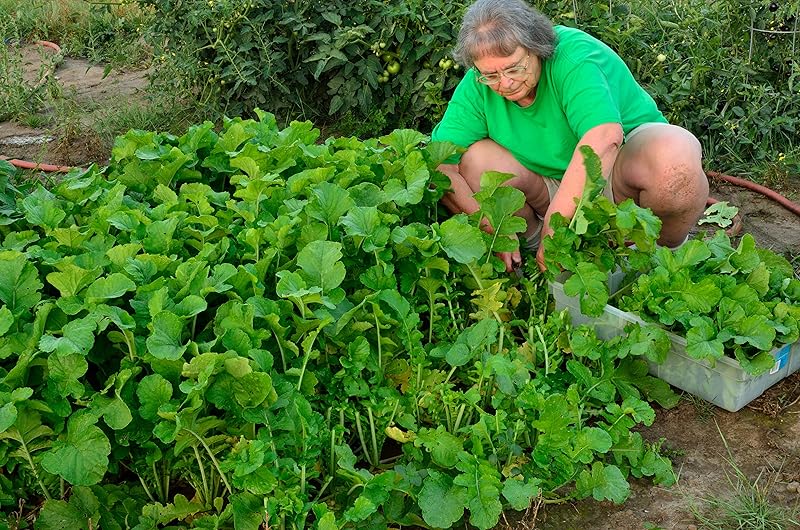
If there’s one group of folks that absolutely must read this book, it’s gardeners in the Pacific Northwest of the United States. Much of the advice (although not all) is geared towards gardeners in this area.
Related: Vegetable Garden Watering FAQ
Five foods
Deppe spends an entire chapter on each of these five foods: potatoes, duck eggs, squash, beans and corn.
With the exception of potatoes, these are not prominent foods in my garden. So I was concerned that I may not enjoy reading the book.
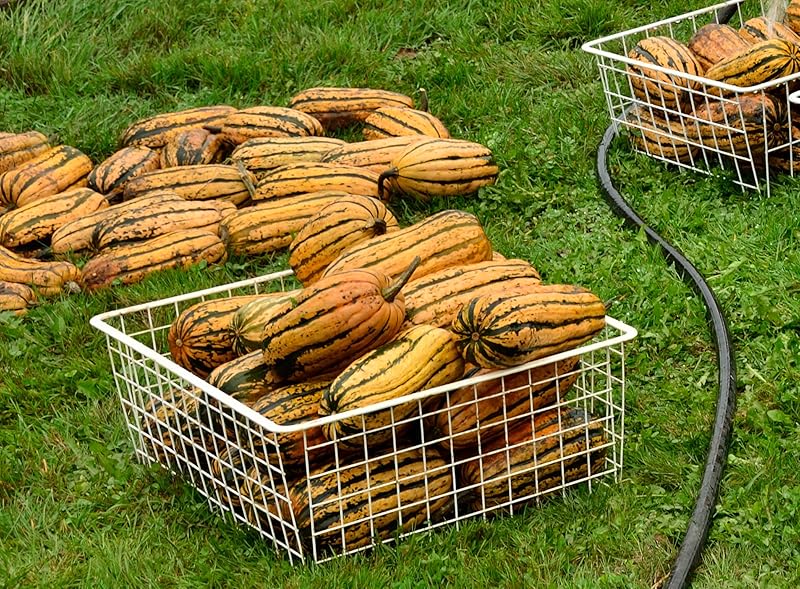
But not to worry, it’s packed with information on all kinds of info on growing a variety of vegetables, fruits and nuts.
Related: How to Store Potatoes
I was surprised and pleased that Deppe, A Harvard PhD in biology, has put her education and smarts to work writing a book about small-scale farming. Clearly her life is “unconventional” and the book leaves the reader wanting to know more.
In the years after she wrote The Resilient Gardener, Carol Deppe has shifted her focus from small scale farming to plant breeding. Other books she has written include:
Anyone who wants to know more about growing delicious food, in good times and in bad, should read her books. They are a fabulous resources for anyone who wants to know more about how to grow the most delicious food in your backyard.
Related articles you might enjoy:
- Top Five Vegetable Gardening Books
- Book Review: Felder Rushing’s Slow Gardening
- Book Review: Eliot Coleman’s Winter Harvest Handbook
Suburban Hobby Farmer is a participant in the Amazon Services LLC Associates Program, an affiliate advertising program designed to provide a means for sites to earn advertising fees by advertising and linking to amazon.com.